since 1976

since 1976


Neue Klasse is German for “New Class.” As labels go, it is deceptively simple. Two words that, taken alone, promise novelty. Yet in over a century of building automobiles, BMW has invoked this legendary designation exactly twice. The Neue Klasse name signals something far beyond a new model or a new generation. It signals a fundamental rethinking of what a BMW is — and what it can become.
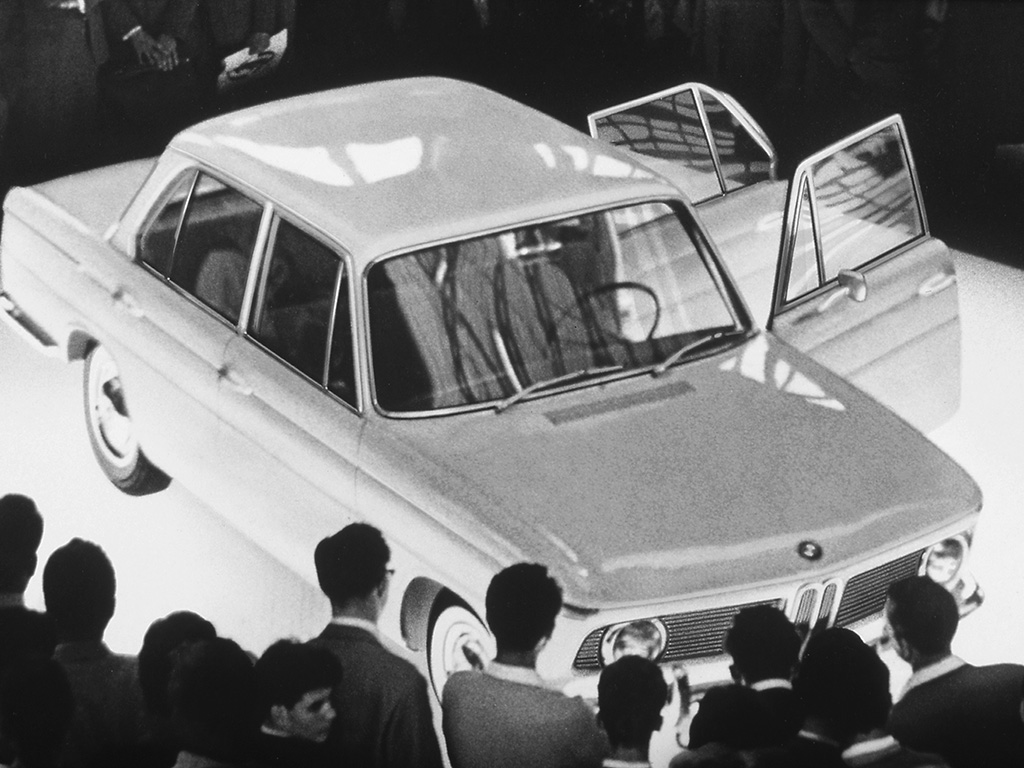
Frankfurt, September 1961.
For most of the 1950s, BMW’s model range occupied two extremes. At one end were expensive, low-volume luxury vehicles, such as the BMW 501, BMW 502 and BMW 503. At the other were microcars powered by motorcycle engines, such as the BMW Isetta, BMW 600 and BMW 700.
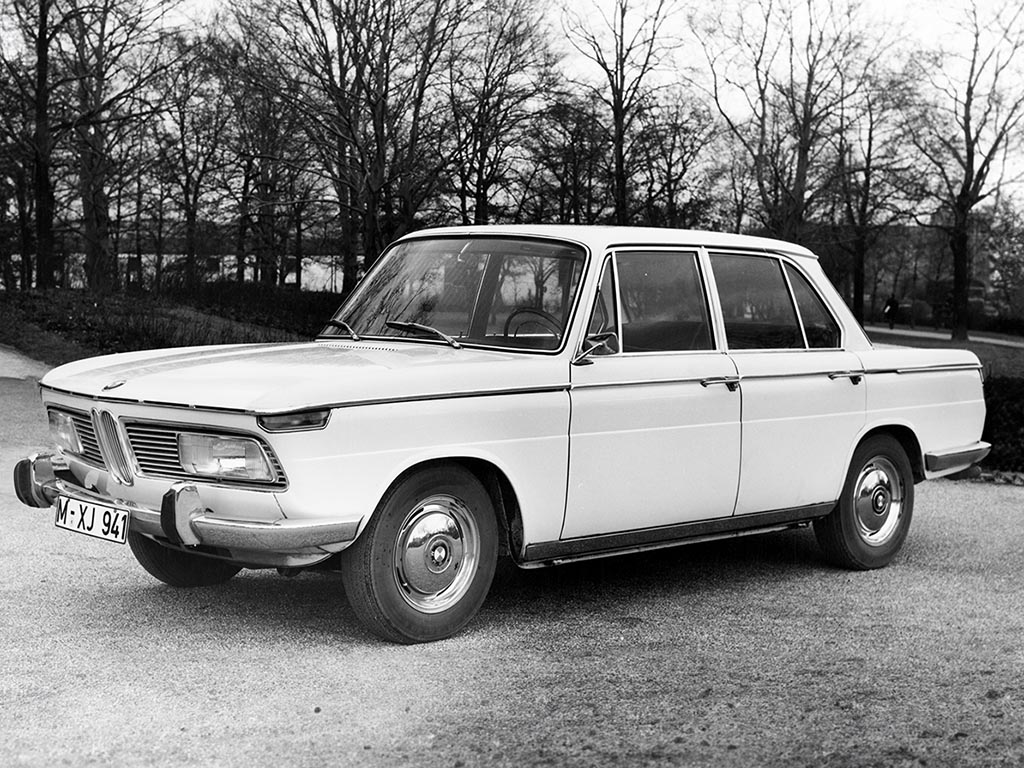
The BMW 1500, unveiled at the Frankfurt International Motor Show in September 1961, changed that. Designed by BMW’s chief designer Wilhelm Hofmeister in collaboration with Italian designer Giovanni Michelotti, the BMW 1500 was a deliberate departure from the ornate, conservative styling of the BMW 501, BMW 502 and BMW 503 series that preceded it. In their place came clean surfaces, aerodynamic proportions, and a form that expressed elegance and purpose in equal measure. The double-kidney grille was retained as an unmistakable BMW signature, and one new detail would prove far more enduring — a distinctive angle where the rear roofline met the C-pillar, a feature that would come to carry its creator’s name: the Hofmeister kink. Beneath the body, an all-new four-cylinder engine, alongside advanced independent suspension and unit-body construction placed the BMW 1500 among the most technically accomplished cars in its segment.
The response at Frankfurt was immediate. The car drew large crowds, and order books filled quickly thereafter. BMW moved to meet the demand, constructing a new production hall at its Munich factory and bringing on approximately 3,000 new skilled workers to support the manufacturing effort the BMW 1500’s success would require. The model entered production in 1962.
However, the “Neue Klasse” was not made the official name of this model series then. It was not until 1963, when the more powerful BMW 1800 joined the range, that these sedans acquired a shared identity. BMW’s then Board Member for Sales, Paul Hahnemann, identified them collectively as an entirely “new class” of BMW — a term that entered the company’s own advertising the following year. The conviction behind the name was plain: BMW Group Classic spokesperson Marc Thiesbürger has since described the company’s belief, at the time, that it had created “a new class that was unique and unmatched.”
A Generation, Not Just a Car.
Over the following years, the original BMW 1500 was joined by a growing family of sedans — the BMW 1600, the BMW 1800, the BMW 2000 — each refining and extending what the original had established, and each carrying forward the same fundamental character: a sports sedan for everyday life, built around the conviction that driving should be a pleasure rather than merely a function.
Together, these cars did something more significant than occupy a new segment. They established a template — for proportion, for dynamics, for what a BMW was expected to feel like — that would serve the company for decades. The Neue Klasse, as BMW Group Classic’s Marc Thiesbürger has described it, represented the “rediscovery of the medium sports sedan category,” reclaiming the sporting spirit that had defined BMW’s most celebrated models from the 1930s — such as the BMW 326, BMW 327/28, and BMW 328 — and translating it into something modern, accessible, and producible at scale. It was also during this era that the tagline “Aus Freude am Fahren” or “For the pleasure of driving” entered the BMW vocabulary, giving language to what these cars were already demonstrating on the road.
The commercial result was transformative. In the decade between 1960 and 1970, BMW tripled its car sales. Revenue from vehicles grew more than sevenfold over the same period. In total, close to 340,000 sedans from the Neue Klasse family were built between February 1962 and January 1972. More than just unit numbers, this growth gave BMW the foundation to expand beyond its home market — establishing sales subsidiaries in key export markets including the United States, France, and the United Kingdom, and beginning the international growth that would eventually make BMW a globally recognised name.
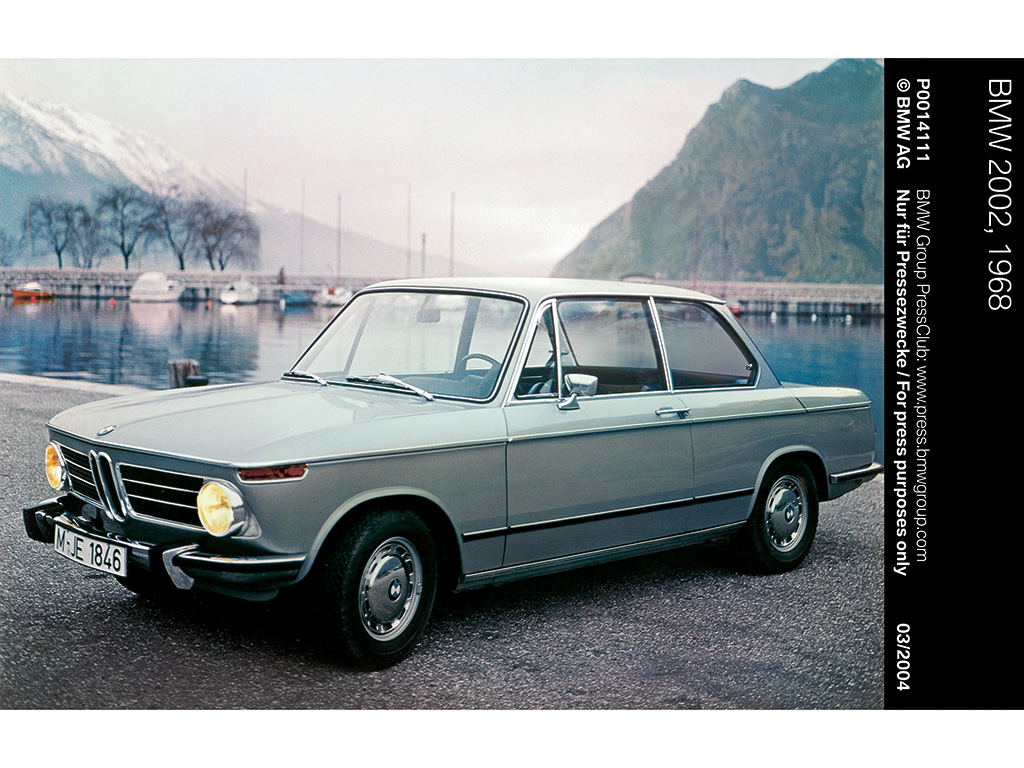
In 1966, a two-door model derived from the BMW 1600 made its debut — lighter, more accessible, and priced below the New Class sedans it drew from. It was, as one journalist of the era put it, "a sports car in a Sunday suit." The designation 02 Series arrived in 1968 with the launch of the BMW 2002, the numeral denoting its two-door character and distinguishing it from the four-door Neue Klasse models. By the time the series concluded in 1977, some 825,000 units had been built. More significantly, the BMW 2002 had become a car of international reputation — one that reached Malaysia through private channels well before BMW had any formal presence here, earning the admiration of enthusiasts who encountered the BMW name before the brand had officially arrived. It was, for many Malaysians, a first encounter with what a BMW could be.
That reputation laid the ground for what followed. BMW Group Classic has since identified the original Neue Klasse as the direct ancestor of both the BMW 3 Series and the BMW 5 Series. The first BMW 3 Series, unveiled in 1975, was itself rooted in the virtues of the BMW 02 Series that preceded it, while the 1972 BMW 5 Series was the direct successor to the Neue Klasse sedan line. For Malaysian enthusiasts, these are not merely historical footnotes. The BMW 3 Series and BMW 5 Series have been part of this market for decades — their character, their dynamics, all traceable to a single mid-size sedan, unveiled in Frankfurt in 1961, that set the standard for what a BMW driver's car could be.
A New Class for a New Era.
The original Neue Klasse generation came to a close in January 1972. What it left behind was a lineage, a philosophy, and a name that would prove more enduring than any of the cars themselves. For more than half a century, the designation lay dormant. Then, in March 2021, at the BMW Group’s Annual Conference, the BMW Group invoked the Neue Klasse name for the second time.
The choice was not accidental. BMW Group was not announcing a product. It was making a declaration — one it had made only once before in over a century, and one that has always carried the same meaning: a New Era, defined on BMW's own terms.
The modern Neue Klasse will reshape BMW's entire Product Portfolio — over 40 new models and model updates between now and 2027, each carrying forward advances in Electrification, Digitalisation, and Circularity that define this new era, and underpinned by an approach of Technology Openness designed for the future.
BMW Group Malaysia will be introducing the First Model from the Neue Klasse portfolio on Thursday, 6th August 2026.